Flight 08 of 10Samford Student GovernmentBirmingham, Alabama
Campus events that paid for themselves.
Event and merchandise campaigns that turned campus programming into a revenue line.
Overview
Turning programming into revenue
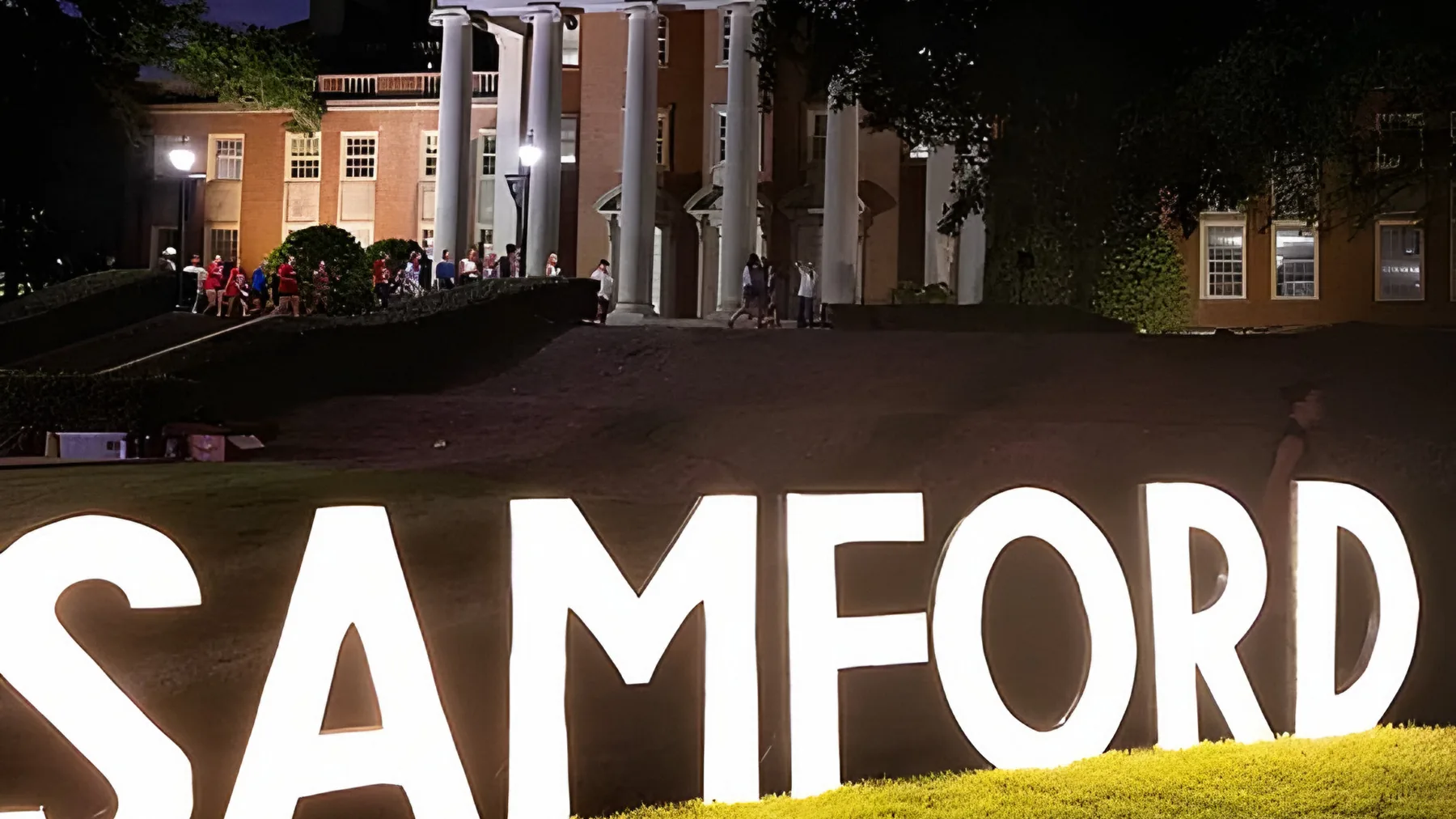
Samford’s Student Government needed its events and merchandise to earn money, not just draw a crowd. Campus programming is usually measured by turnout, and it usually costs more than it brings in. The project treated every event and every merchandise drop as its own small campaign with a clear sales goal, so the programming could start paying its own way instead of drawing down the budget.
Challenge
Good turnout, no return
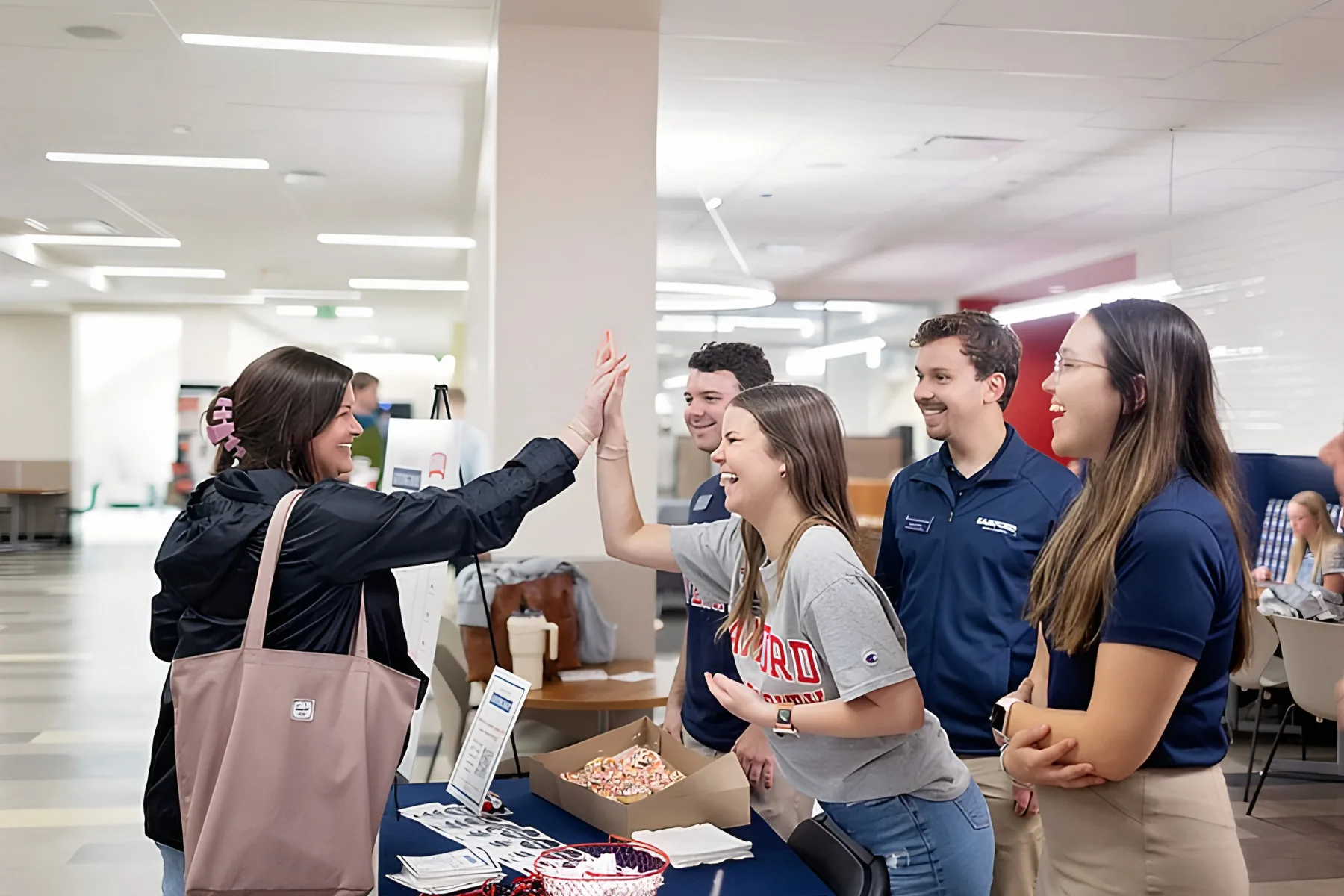
A campus event can be full and still lose money. Without a plan for what each one should earn, events could draw a crowd and leave nothing behind to fund the next one. Student Government wanted its programming to pay for more programming. The challenge was clear: keep the energy that brought students out, and attach a clear, achievable sales goal to every event and every drop.
Project plan
One campaign per event
Before promoting anything, we gave each event and merch drop its own goal. Instead of one general push for the semester, every event became a small campaign with its own target, its own timeline, and its own message. Merch planning was built around those moments, so products arrived when interest was highest, and the sales messaging was written to give students a reason to buy, not just a reason to attend.
Execution
Campus campaigns, event by event
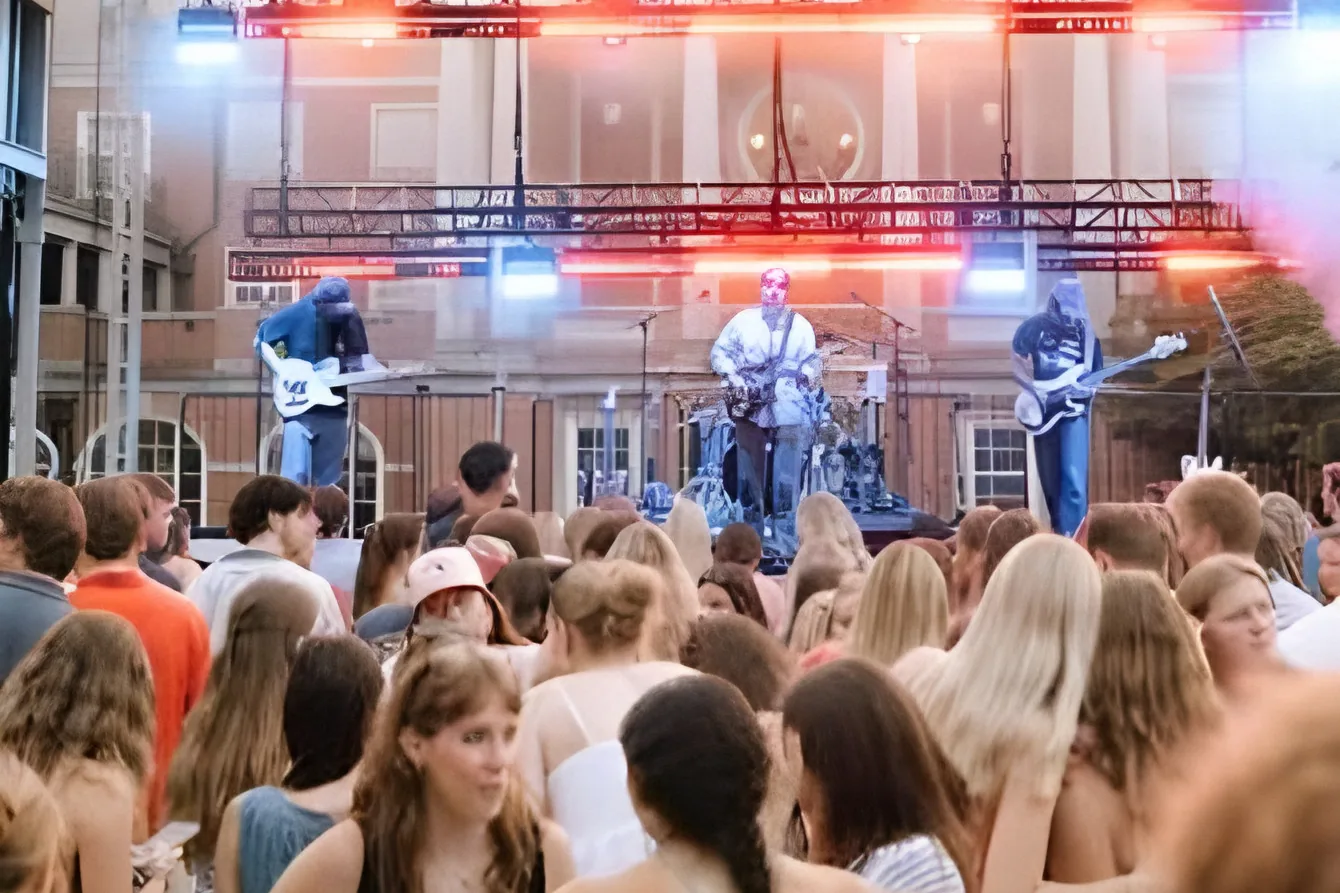
With the goals set, we ran event marketing and campus campaigns built around each moment on the calendar. Merchandise was planned and released alongside the events most likely to sell it, and the sales messaging made its case at the moment students were most engaged. Every campaign was clear about what success looked like, so each one could be judged on what it earned as well as on who came.
Results
More than $10,000 in revenue
Events and merchandise brought in more than $10,000, turning programming that had been a cost into a revenue line. Beyond the money, Student Government came away with a repeatable way to plan events as campaigns, a merchandise approach tied to real demand, and a clearer sense of what each event is for. Most importantly, the work showed that campus programming can fund itself when every event is given a goal.